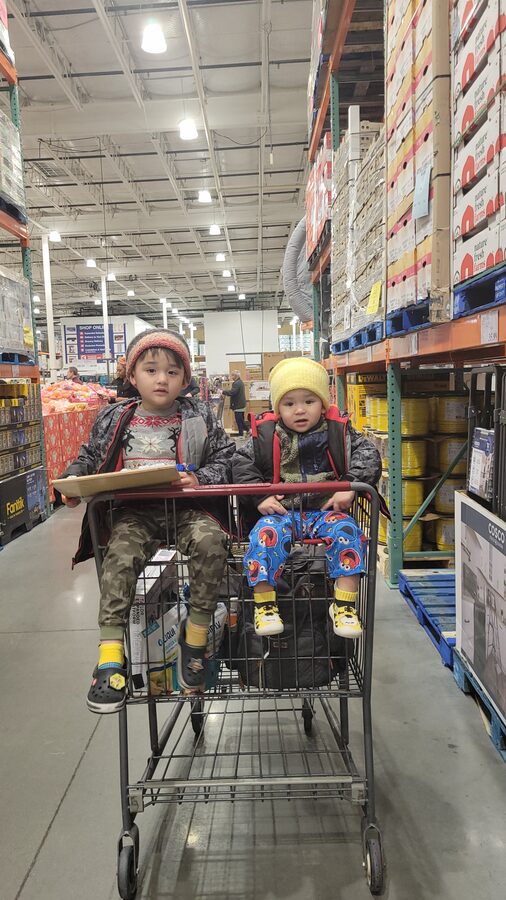
Elijah's Story
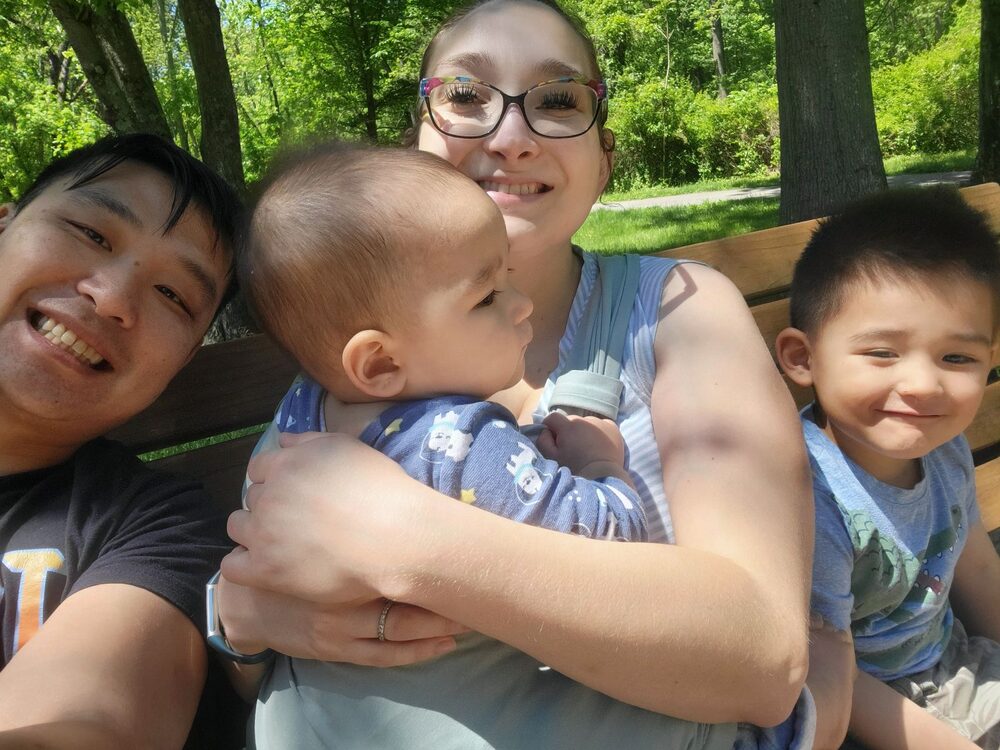
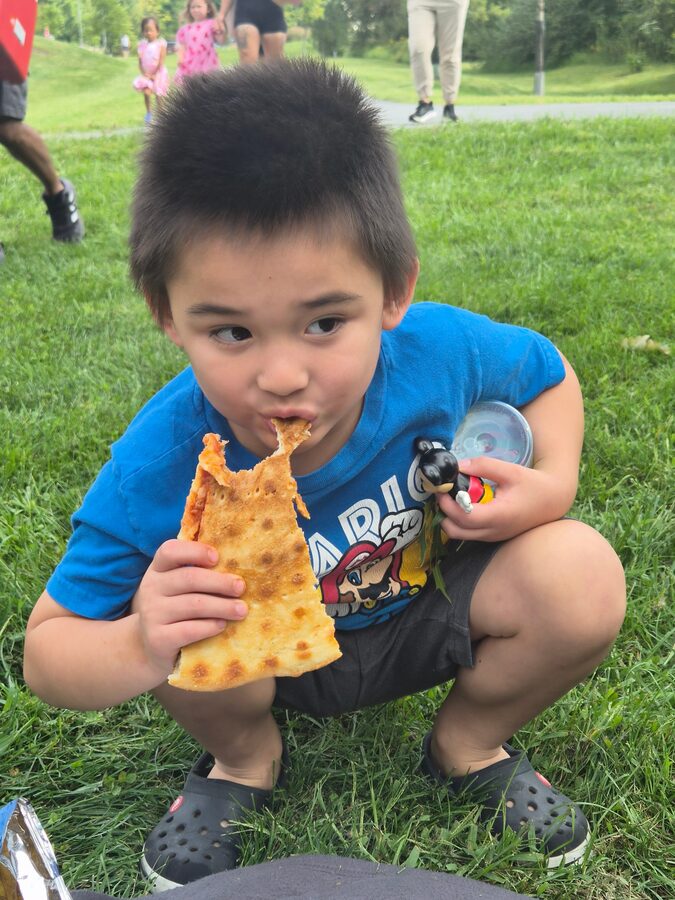
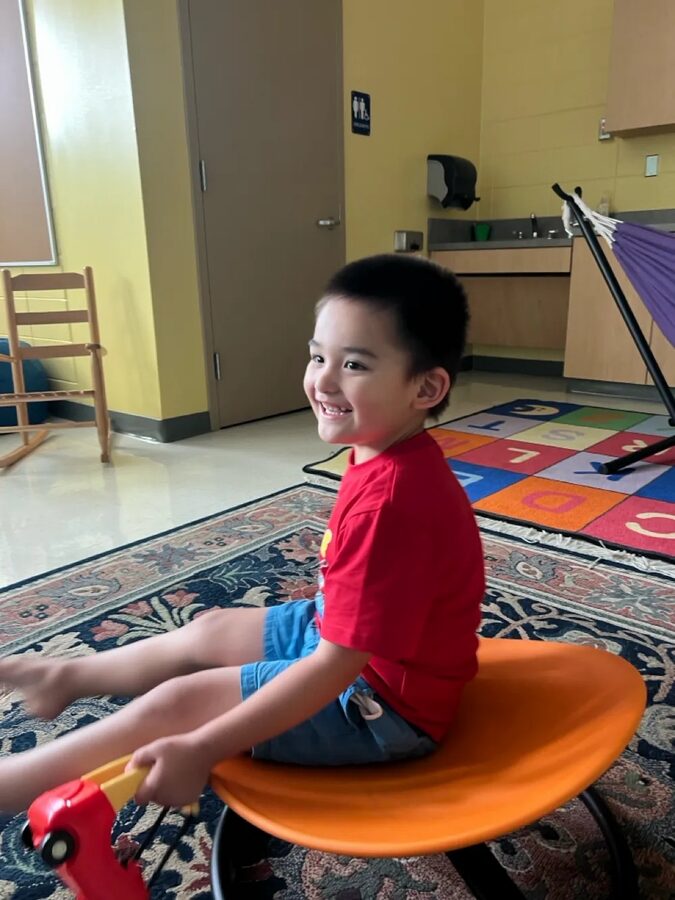
Elijah is the sweetest and silliest boy, usually smiling and full of energy. As he grew older, however, milestones that should have come easily were delayed or entirely missed. His speech became increasingly unpredictable before disappearing altogether. Eventually, Elijah was diagnosed with autism and later with a mutation in his ITSN1 gene.
Today, Elijah's family is encouraged by the scientists working to better understand this complex and rare condition. Above all, they hope for a future where Elijah can talk again, play with his peers, and live life to the absolute fullest as his healthiest self.
We are honored to share Elijah's story in this Q&A with his mother below.
Tell us about Elijah.
Elijah is the sweetest and silliest boy! He is usually smiling and full of energy. As a baby, he was content as long as his stomach was full and his mommy was near.
But as he grew older, milestones that should have been met easily were delayed or entirely missed. Those he did grasp were seemingly there one day and gone the next. He did not get excited when he saw other children or family members besides his mom, and the way he played with toys was peculiar, as were his frequent and repetitive vocalizations. He also did not show strong joint attention, and his participation in back-and-forth play was limited.
As Elijah grew from babyhood to toddlerhood, then came the repetitive hand movements, the toe-walking and spinning in circles, the walking away from peers when they tried to interact with him, and seeming to live in his own happy little world with no interest in anything or anyone else outside of it.
When was Elijah first diagnosed with autism and ITSN1 mutations?
At the age of 2, Elijah was assessed for autism at the recommendation of his pediatrician and teachers. He was diagnosed with level 2 autism.
Elijah's speech was also significantly delayed, but by age 2½ he could put two words together. By age 3½, his speech became more sporadic and his pronunciation increasingly unpredictable. By age 4½, he stopped talking entirely.
Somewhere in the middle of this, a little after Elijah turned 4, we were referred for genetic testing. This is when we received the diagnosis of a mutation in the ITSN1 gene, inherited from Elijah's father.
How did you feel when Elijah received his diagnosis?
We felt a strange sense of calm in knowing that our concerns about Elijah's development had not been imagined, but we also felt an intense sense of protectiveness and anxiety for what the future would hold for Elijah.
The world is much more accommodating than it once was for children and adults with disabilities, but the uncertainty of not knowing whether his lost skills would ever be regained or if he would ever be able to live independently was a lot to take in all at once.
How has Elijah's condition affected him?
Elijah is overall an extremely healthy and happy boy. He has always topped the charts for both height and weight for his age group, and he eats well, plays hard, and has enough energy to rip through the house like a tornado every day!
The biggest impact of Elijah's condition is definitely his communication and social skills. Though he has slight delays with certain fine motor skills, such as isolating one finger to swipe on a screen or drawing vertical lines, he is catching up on these at his own pace.
However, he has yet to regain any of the speech he once had, and his interactions with his peers and siblings are very limited.
How has Elijah's condition affected your family?
Elijah's original diagnosis of autism led us to learn more about the condition. It broadened our worldview and gave us a deeper sense of compassion and understanding for parents of and people with disabilities.
Elijah needs to attend specialized therapies and a special classroom. He uses a special device to communicate, and he is very particular about certain things, such as routine changes, preferred toys and activities, constant access to his safe foods, among other things. He needs a lot of attention and care, but he also gives us back a lot of love!
Why is it important to you that people donate to ITSN1-related research?
ITSN1 is such a newly discovered and poorly understood genetic mutation. Our hope is that if more is discovered about the gene itself and the different mutations that can manifest, both de novo and inherited, different therapies and treatments may be made available to help mitigate the symptoms of the genetic disorder and the conditions it contributes to.
We hope that one day our boy will be able to talk again, play with his peers, and live his life to the absolute fullest as his healthiest self!